As federal uncertainty over the Supplemental Nutrition Assistance Program (SNAP) continues, Wichita State University and local organizations are supporting Shockers who may be affected by potential disruptions.
The ongoing government shutdown has disrupted SNAP payments nationwide, threatening food access for millions of Americans — including college students already navigating strict eligibility rules and living costs.
SNAP, the nation’s largest anti-hunger program, provides monthly food assistance to low-income individuals and families. On Friday, Nov. 8, the Trump administration ordered states to halt full November SNAP payments, directing them to issue only partial benefits. A Supreme Court ruling and new legal motions have left future funding uncertain again.
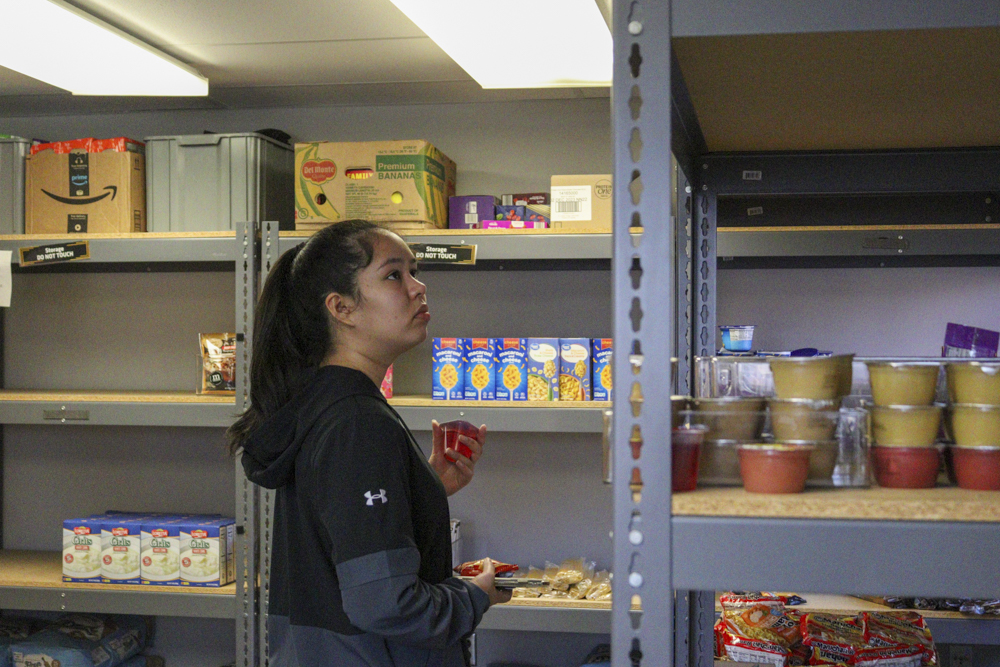
The Student Government Association has increased funding for the Kiah Duggins Shocker Support Locker, a free on-campus pantry offering food, hygiene items and clothing to students, faculty and staff. The locker, renamed in honor of WSU alumna Kiah Duggins in October, has been a lifeline for students facing food insecurity since its creation in 2016.
Student Body President Jia Wen Wang said SGA is allocating additional funds through the locker’s foundation account to prepare for possible increased demand in November. Wang said $3,340 was spent during the week of Oct. 26 to purchase extra supplies, emphasizing that while there is no fixed budget for supporting the locker, student support remains the priority.
The student resource, however, was closed from Oct. 31 to Nov. 10 and will close again during the upcoming Thanksgiving Break.
Students who rely on SNAP face additional challenges: pandemic-era exemptions that made it easier for college students to qualify ended in 2023, tightening eligibility. To receive SNAP, students now must meet certain exemption criteria — such as participating in work-study, having an expected family contribution of $0 or being under 18 or over 49.
Local resources are helping alongside campus efforts. The Helping Hands Pantry offers food assistance through its College and Grad Student Assistance Program, providing help to students in need through online registration and direct outreach.
Kansas is among the top states for SNAP usage, with more than 198,000 residents receiving benefits in fiscal year 2024. But with payments potentially reduced to 65% and the USDA’s emergency fund depleted, even short-term disruptions could have long-term effects on students’ wellbeing.
University officials are urging students to stay informed about available resources and to visit the Kiah Duggins Shocker Support Locker if they are struggling to afford groceries.
Editor’s note: The timeline has been changed to show more recent information.