Allyship is not supposed to be a comfortable title we give ourselves in theoretical support of a community.
It is easy to say we support diversity when we are in spaces where that support feels comfortable or widely accepted, but what about when policies and public statements directly target members of a community we claim to stand beside?
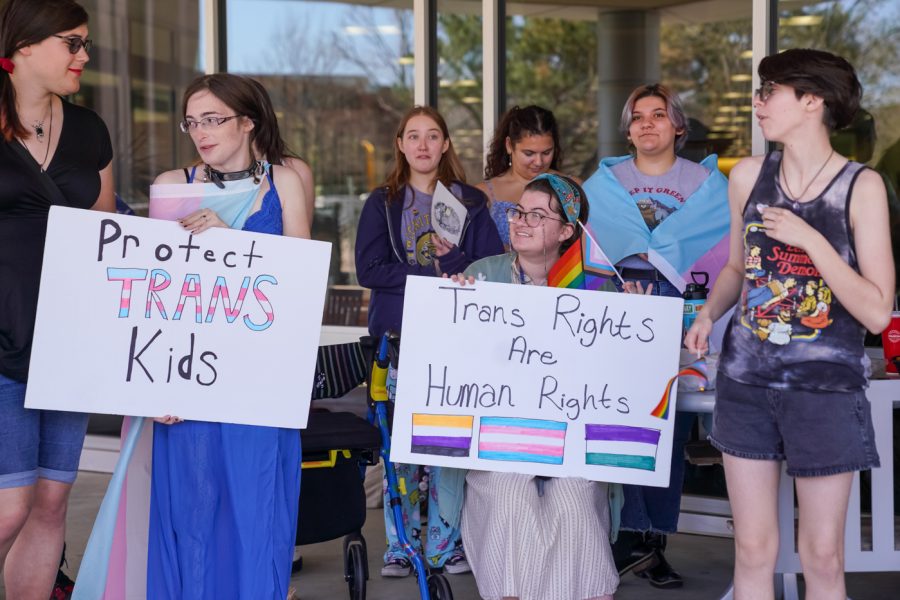
In the past month, the lives of transgender people in Kansas have been affected in a major way by a new law regarding bathrooms and government identification.
Kansas Senate Bill 244 requires transgender people to use restrooms and other sex-separated spaces in government buildings based on the sex assigned to them at birth. The law also changes rules around government identification. It prevents transgender people from updating driver’s licenses or state ID cards to reflect their gender and invalidates some previously issued documents.
When changes like this happen, allyship becomes more than a title; it becomes a responsibility.
Wichita State University says it prides itself on being a diverse campus that celebrates people from all backgrounds. Walk across campus, and you will see people from different cultures, identities and beliefs sharing the same classrooms and spaces. That diversity is part of what makes both Wichita and our campus community so amazing.
A commitment to diversity should include recognizing transgender people as valid members of our community, whose identities deserve more respect and protection.
Diversity cannot only exist when it is convenient or easy to celebrate, it also means recognizing and calling out when members of our community are faced with challenges outside of the university’s control, and asking ourselves what role we can play in supporting them.
While debates over bathroom access and government ID policies are discussed and decided on in courtrooms and offices, people in our community are feeling the impact.
For those of us who are not transgender, it can be easy to ignore these issues or distance ourselves from them, but allyship means acknowledging that the well-being of others in our community matters even when their experiences are different from our own.
Supporting diversity means that everyone deserves to exist safely and authentically in public spaces.
I am not transgender, but I share classrooms and other community spaces with people who are. When policies make it harder for them to move through the world safely and authentically, that matters to me. These are people in our community; it should matter to all of us, even if we are not directly affected.
Being part of a diverse campus means more than celebrating differences when it is convenient. It means standing with and speaking up for those whose identities are being challenged. That can look like listening to trans voices, supporting organizations that advocate for inclusion and correcting misinformation about the community when we hear it.
Diversity should not just be a word in a mission statement but something we actively protect and support.
Afterall, allyship is not about comfort, it is about responsibility.