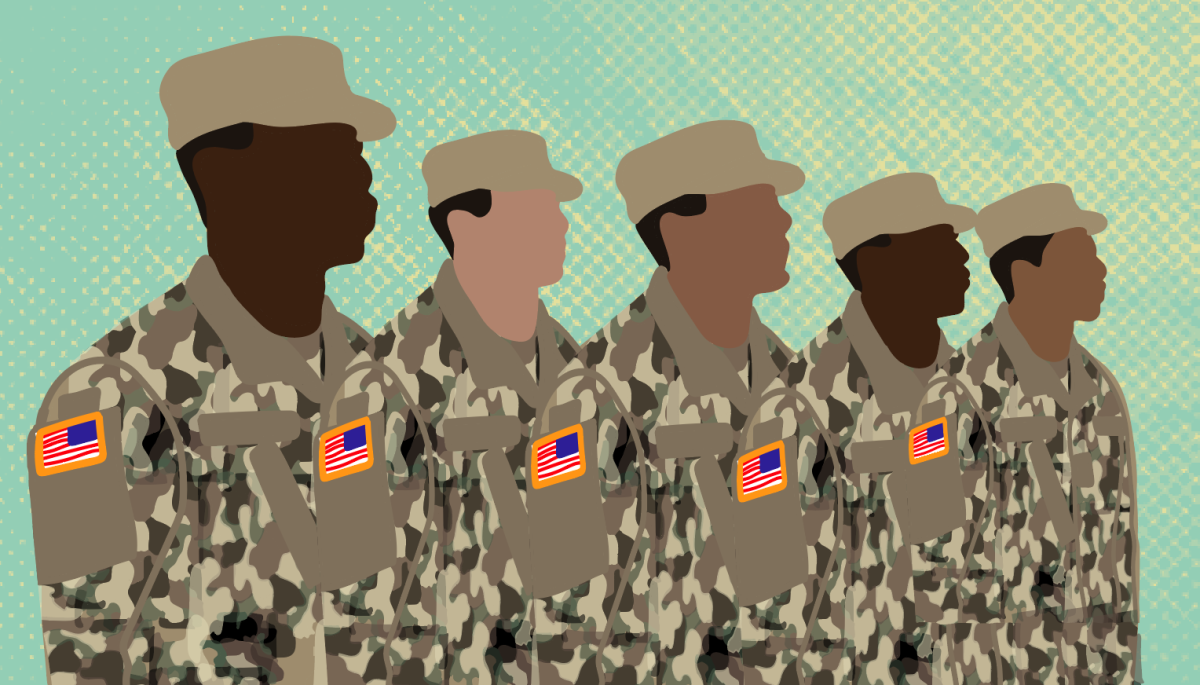
This December, a major shift in the United States’ military policy will take effect. Young men ages 18-26 will be automatically registered for the Selective Service.
At first glance, it appears that our nation is simply streamlining a process that already exists, maybe even taking an extra task off a young man’s plate. In reality, the enforcement of this is at the very least, suspiciously timed and at most, exceptionally dangerous.
For decades, 18-26-year-old men have been required to independently register for the draft. There has not been an official draft since the Vietnam War.
Some states, such as Arizona and Delaware, already have an automatized system in place when an individual registers for a form of state identification.
This presidential administration and its supporters will say that this new policy is simply a formality and a much needed update. In doing this, they say they are making the process more efficient and fair.
It is hard to ignore that data-sharing and automatic systems help maintain a majority of our information in this century. Automatizing the draft means fewer gaps and fewer penalties for (accidental) noncompliance. This is a win-win for everybody, right?
In this logic alone, there are glaring ethical issues.
First, automatizing the draft on a national level is essentially removing the act of consent from the process. Enforcing this policy takes away the conscious awareness that these young men have when they choose to register. Instead, the process is done through databases.
And while the penalties for choosing to dodge the draft are extremely severe and it is seemingly compliance over consent, registering is still somewhat of a choice.
Second, this system doesn’t just apply to United States citizens. It includes refugees, green card holders, as well as immigrants without legal resident status. This administration’s efforts to enforce this policy while simultaneously having an abrasive stance on immigration furthers this ethical issue.
And finally, it’s the timing of it all. We are not in an age of global or even national stability. This change being enacted can not simply be viewed as an administrative upgrade. The fact that it is being framed to citizens this way is dangerous.
It would be easy to deflect and say that this policy was passed in December 2025, before the United States was fighting a war against Iran. But with the reality of rising tensions and debate over U.S. involvement in the war, it is difficult to think it is all merely a coincidence.
That being said, there is no automatic draft currently, nor is there a guarantee that one will occur. Trump could not authorize this alone. He would need Congress to pass a law authorizing it.
He could potentially declare a state of emergency, requesting a draft, however, Congress is the one with the constitutional authority to pass legislation requiring a draft. But with policy enactments like these taking place frequently throughout this administration’s time in office, it is important to stay vigilant and aware.
There is a thin line between “this changes nothing” and “this changes everything.” And when it comes to automating something as complex as war, we as citizens have a responsibility to remain engaged and critically observant.