A proviso was passed in the Kansas Legislature’s budget for fiscal year 2027 banning all diversity, equity, inclusion and critical race theory related content from being required in most degree programs, but there is not yet a clear definition for what that content is.
During the May Kansas Board of Regents meeting, a proposed definition was introduced and discussed by administrators from Kansas universities and the regents. KBOR is the governing body that oversees higher education in the state.
The language will be revised based on the feedback given. Many said the proposal needs to be reworked because it is too broad, but also too limiting when it comes to what faculty is allowed to teach.
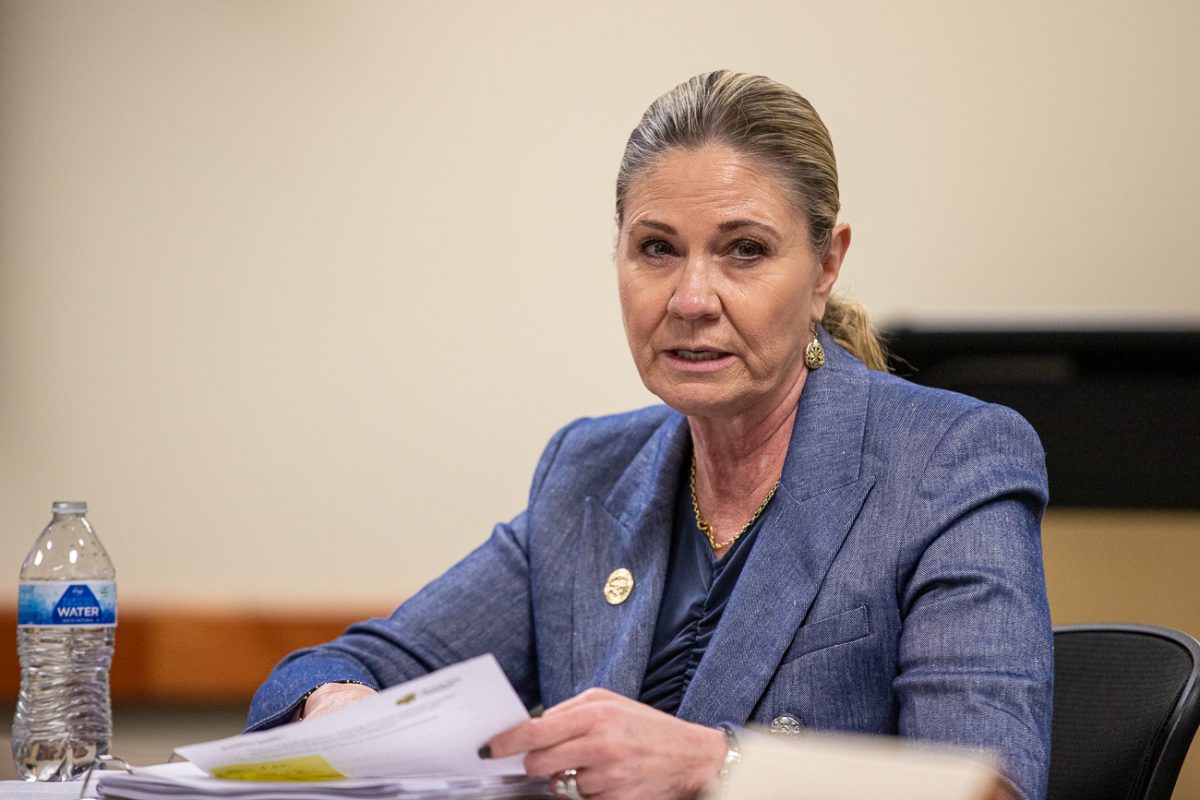
“We recognize that we have a line to walk there,” KBOR General Counsel John Yeary said during the academic affairs standing committee. “The language is meant to do something and there’s some work that has to happen after that with courses… we want to write it in a way that the work can be done in a beautiful way that isn’t too broad or too narrow.”
The language currently reads, “‘DEI-CRT course’ means any course whose title or description includes DEI-CRT-related content. ‘DEI-CRT-related content’ means, with respect to DEl, content that intentionally establishes and promotes the preferential treatment of groups based on race, color, gender, ethnicity or national origin in violation of federal law. ‘DEI-CRT-related content’ means, with respect to CRT, content that defines a conceptual framework, as the singular and authoritative lens, establishing racism to be systemic within laws, policies, or institutions.”
In June, the language will be voted on by KBOR and if passed it will go to the state finance council for certification in July. The definition needs to be certified in order for institutions to receive full funding.
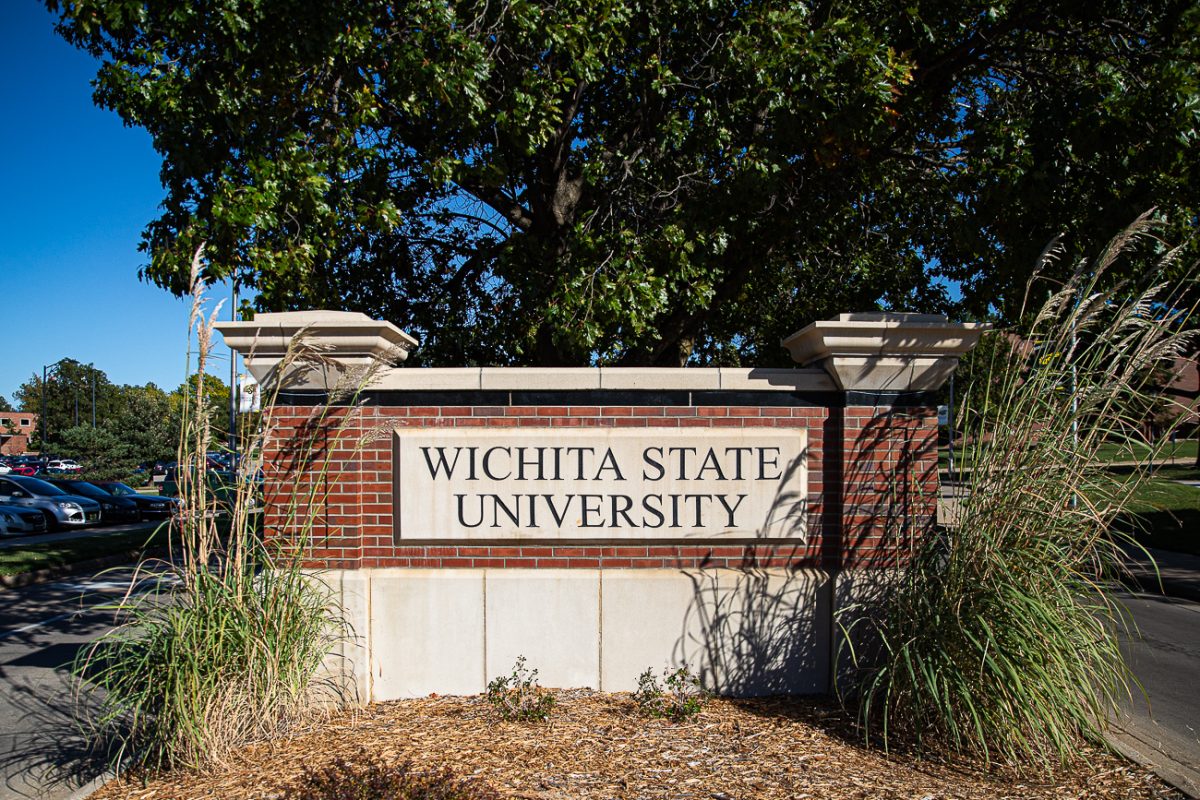
Wichita State’s Provost Monica Lounsbery said there are many fields that require students to learn about human diversity, especially in science, clinical and educational areas for them to be prepared in their prospective careers.
“We need a definition that allows us to continue to have students learn that material without having any type of challenge about whether or not we are complying with the law,” Lounsbery said. “I think we are doing a disservice to the state of Kansas and the workforce that we’re preparing if we don’t ensure that students learn the material.”
Lounsbery said being able to require DEI-CRT content in classes for those programs is important when writing the definition.
A recording of the KBOR meeting can be found on KBOR’s YouTube channel.